








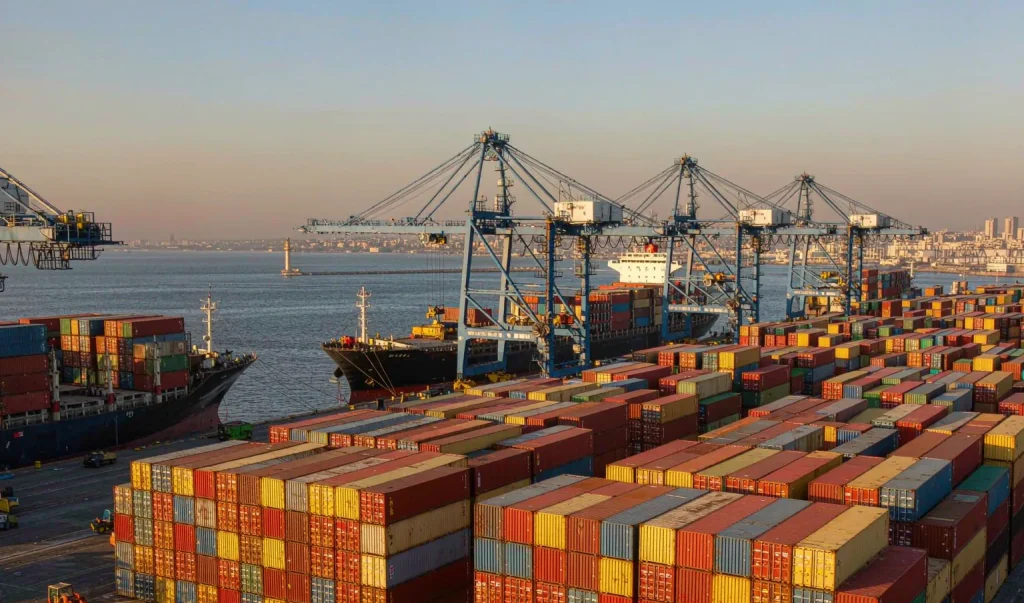
Lebanon imports nearly everything it consumes, and most of it starts in a Chinese factory. For Lebanese importers and regional traders, the real question is not whether the goods can move, but how to get them from a Shenzhen or Ningbo loading bay to a shop or warehouse in Beirut without losing weeks at the port. That is why door-to-door DDP (Delivered Duty Paid) has become the default service model for China-to-Lebanon shipments. This guide explains how the route works, what Beirut customs clearance involves, and what changed at the Port of Beirut in September 2026.
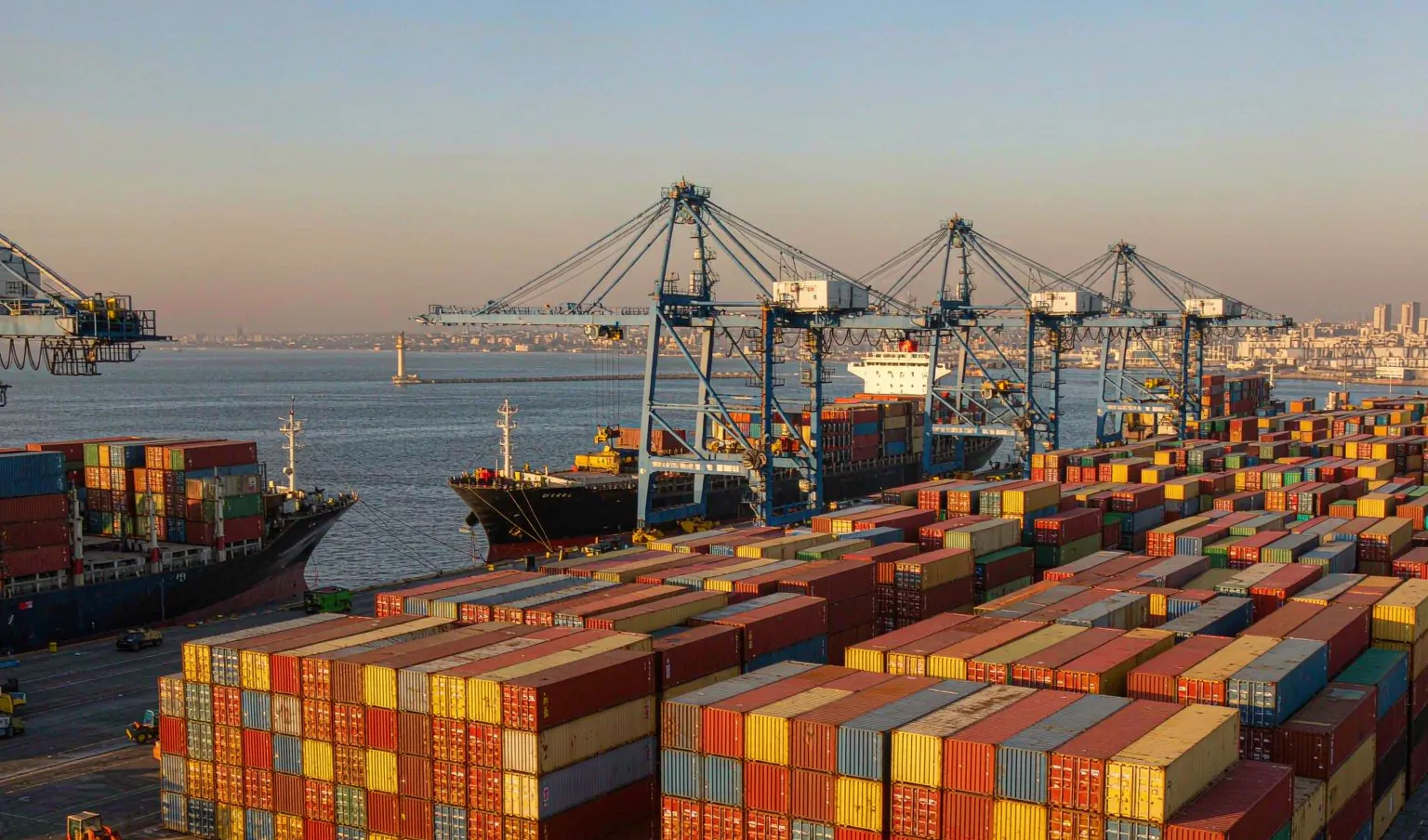
Beirut Port Is Expanding: What Changed in September 2026
On 10-11 September 2026, CMA CGM and the Port of Beirut authority (GEPB) held the foundation-stone ceremony for a major expansion of the Beirut Container Terminal. As reported by Breakbulk News and Ports Europe, the French carrier is investing about USD 100 million to grow the terminal from roughly 1.2 million TEU to 2.8 million TEU of annual capacity by 2028, with the container yard expanding from 45 to about 80 hectares.
The project matters for shippers for three reasons:
- The terminal is already near its ceiling. Beirut is expected to handle around one million containers in 2026 against a nominal capacity of 1.2 million TEU, so berth windows and yard space are tight today.
- Clearance infrastructure is part of the plan. The expansion includes a new customs inspection area with two X-ray scanners and an automated gate complex – a direct answer to the inspection and truck-processing bottlenecks that slow down imports today.
- Construction runs alongside live operations for about 18 months. Until the works finish around 2028, occasional congestion and schedule slips are realistic, and quotations should carry a buffer.
In other words: help is coming, but it does not exist yet. For the next year and a half, the shippers who win are the ones with a forwarder who controls the clearance and delivery legs, not just the ocean freight.
Why Door-to-Door DDP Is the Default for Lebanon
Under DDP terms, the seller (or the seller’s forwarder) carries the shipment through export customs in China, main carriage, import clearance in Lebanon, duties and taxes, and final delivery to the consignee’s address. For Lebanon specifically, this model fits because:
- Clearance is paperwork-heavy. Lebanese customs requires a complete document set, correct HS classification and, for many consumer goods, conformity documentation. Errors mean storage charges at the terminal while files are corrected.
- Buyers prefer landed-cost certainty. Importers would rather pay one agreed sum per cubic metre or per kilogram than juggle ocean freight, port fees, duty, VAT and trucking as separate invoices.
- Port time is expensive. Every day a container sits in the yard adds demurrage and detention. A forwarder that pre-lodges documents and books inspection slots keeps dwell time short.
CargoSolid runs DDP programs from Chinese industrial hubs to Beirut and other Lebanese cities, with the same landed-cost logic applied to both LCL consolidated cargo and full containers.
Route Options from China to Lebanon
Sea freight to Beirut
The mainline option is container service from major Chinese ports to the Port of Beirut, typically via East Mediterranean loops. Transit from Chinese ports runs in the range of four to six weeks depending on the service string and transshipment, with seasonal variation. LCL consolidation suits smaller traders; FCL suits volume shippers.
Air freight to Beirut
Beirut-Rafic Hariri International Airport handles air cargo from China, usually with one transshipment in a Gulf or European hub. Air is the right tool for samples, electronics, urgent spare parts and seasonal goods where weeks of ocean transit would miss the selling window.
Alternative gateways during the construction window
While the Beirut terminal works run alongside live operations, some shippers route via other East Mediterranean gateways and complete the last leg by feeder or truck. This adds a border or a second document set, so it is a contingency rather than a default. Ask us to price both the direct and the alternative routing when your cargo is time-sensitive.
Beirut Customs Clearance, Step by Step
Every DDP shipment we handle to Lebanon passes through the same clearance sequence:
- Pre-arrival documentation. Commercial invoice, packing list, bill of lading or air waybill, and certificate of origin are reviewed and matched before the vessel arrives. Invoices must show realistic declared values – undervaluation triggers inspection and fines.
- Declaration and classification. Cargo is declared under the correct HS codes. Classification drives duty rates, so it is checked against the actual goods, not just the invoice description.
- Inspection when called. Lebanese customs selects part of the traffic for physical or scanner inspection. With the new X-ray capacity arriving as part of the terminal expansion, scanner checks should get faster over time.
- Duty, VAT and release. Duties and VAT are calculated on CIF value, payment is arranged, and customs releases the cargo.
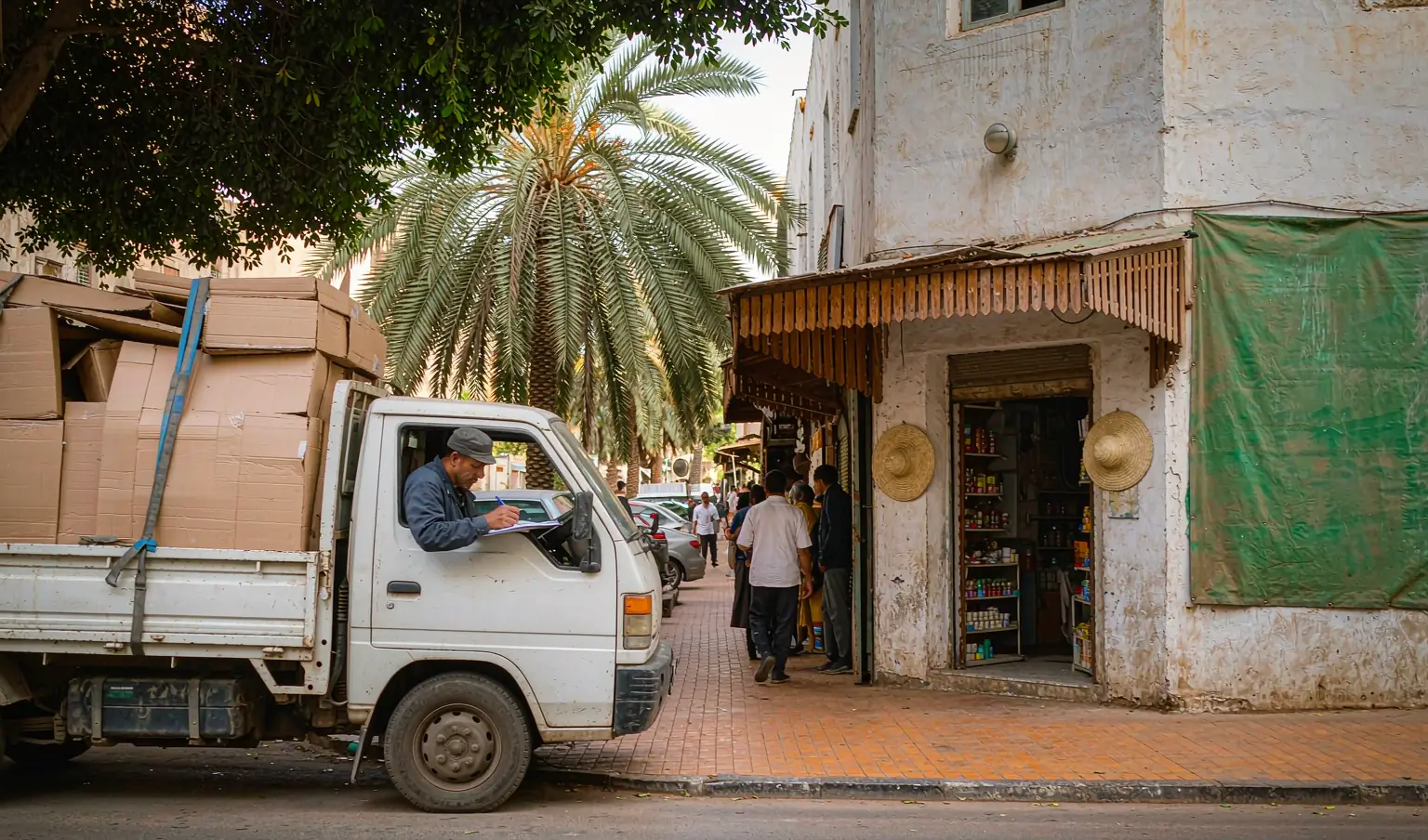
- Delivery. Containers are trucked from the terminal to the consignee’s address; air cargo is delivered from BEY. Under DDP, all of this happens inside the agreed landed price.
How DDP Door-to-Door Works with CargoSolid
- Step 1 – Quotation. Send cargo details (type, volume or weight, city of delivery) and receive a fixed door-to-door rate. Contact us for quotation.
- Step 2 – Pickup in China. Cargo is collected from the supplier or your consolidated freight arrives at our warehouse and is prepared for export.
- Step 3 – Export clearance. Chinese export customs is cleared under our licence.
- Step 4 – Main carriage. Sea, air or a combined routing, booked to match your timeline.
- Step 5 – Import clearance in Lebanon. Declaration, inspection handling, duty and VAT – all under DDP.
- Step 6 – Final delivery. The consignee receives the goods at the door, with tracking updates along the way.
Transit Times at a Glance
| Routing | Typical door-to-door transit | Best for |
|---|---|---|
| LCL sea freight to Beirut | Roughly 5-7 weeks including clearance | Small and mid-size consumer cargo |
| FCL sea freight to Beirut | Roughly 4-6 weeks including clearance | Volume shipments, stable demand |
| Air freight to Beirut (BEY) | Roughly 1-2 weeks including clearance | Urgent, high-value or seasonal goods |
Transit varies with the service string, transshipment port and season. Ask for a current schedule before fixing your sales commitments.
Practical Tips While the Terminal Is Under Construction
- Book earlier than usual. Berth windows around terminal works are less predictable; an extra week of lead time is cheap insurance.
- Keep documents airtight. During congestion, the fastest clearance wins. Matching invoices, packing lists and origin documents avoid terminal storage.
- Fix the Incoterm in writing. Make DDP explicit on the commercial invoice so nobody argues about who owns duty and terminal charges.
- Consolidate where possible. One cleared LCL delivery to your door costs less than several fragmented parcels each hitting minimum charges.
How to Get a Quote
CargoSolid arranges door-to-door DDP shipping from China to Lebanon by sea and air, including customs clearance and final delivery. For a fixed landed quotation, contact cargosolid@outlook.com or WhatsApp +86 186 7539 5280 with your cargo details.
Related Materials
- Shipping from China to Lebanon — Country Page
- DDP Shipping from China: When It Pays Off
- Sea Freight | Customs Clearance
- FAQ | Contact Us
Get in Touch
Tell us what you are shipping and where it is headed. Our team usually replies within one business day with a tailored quote.