








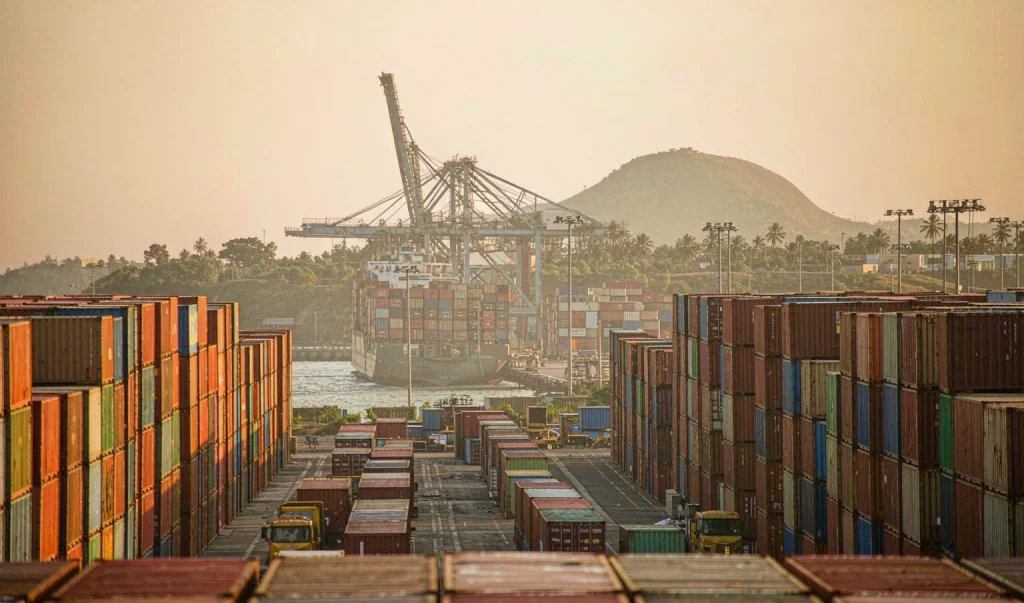
El Salvador is a small market with an outsized dependence on one port. Acajutla, on the Pacific coast, is where most of the country’s containerised imports land and the default ocean gateway for commercial cargo from China. In 2026 the port itself has changed: vessel waiting times have collapsed from days to hours, and the pacing item for your lead time has shifted to customs paperwork and inland delivery.
What Changed at Acajutla in 2026
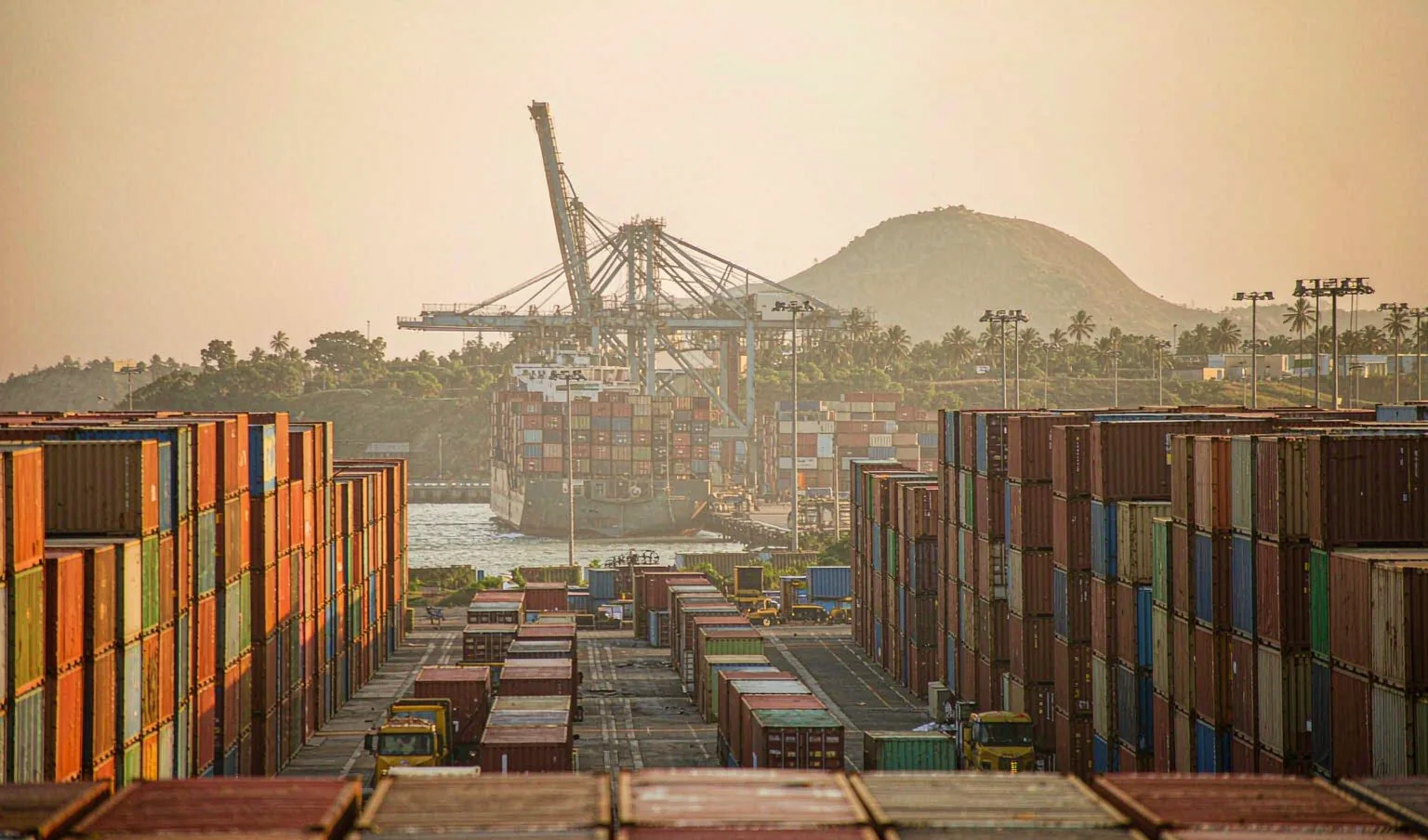
Port authorities and the Unión Portuaria del Pacífico (UPDP) presented a markedly different picture of Acajutla this year. According to figures presented at a September 2026 briefing of the trade-facilitation commission Cifacil, the average waiting time for container ships before starting operations fell from roughly twelve days in 2025 to around twenty-four hours in 2026. That refers to waiting before berthing rather than the full port stay, but a reduction of that scale changes the risk profile of the lane: less queueing means less demurrage exposure and more predictable connections for Asia-origin cargo. Three changes sit behind the improvement:
- New operating systems. From January 2026 the terminal has run on the Navis N4 port operating system with SAP handling resource management.
- Phase-zero investment. UPDP reports roughly US$52 million invested in the first phase, including about forty internal transfer trucks. A longer-term plan of more than US$500 million is projected, including a new 610-metre pier with 17-metre depth and a specialised container yard.
- Administrative simplification. Customs, Health, Agriculture and Immigration agencies are working toward a unified Maritime Single Window to centralise arrival documentation.
The practical conclusion: with the port queue largely gone, the time your cargo loses on this lane is now decided by document quality and inland transport.
How Customs Clearance Works: the DGA and the DUCA
Imports are cleared by the Dirección General de Aduanas (DGA) of the Ministerio de Hacienda on the electronic DUCA (Declaración Única Centroamericana) – the single regional declaration El Salvador adopted in 2019 with its Central American neighbours. Declarations are filed electronically through the DGA’s internet clearance service (teledespacho), and duties and taxes can be paid online around the clock through P@GOES-DGA.
For a commercial importer the sequence looks like this:
- Declaration. Filed electronically on the DUCA. A licensed customs agent (agente de aduanas) handles this for most commercial importers; it is optional only for legal entities the DGA has authorised to file on their own behalf.
- Risk selection. Declarations are routed to documentary review, physical inspection or direct release. Inconsistent documents are the classic trigger for a channel assignment you do not want.
- Inspection windows. Non-intrusive inspections must be completed within twenty-four hours, and statutory clearance time is twenty-four hours, down from forty-eight.
- Payment and release. Duties and IVA are paid – importers have four days to pay – and the cargo is released for delivery.
One regional detail is worth knowing: El Salvador participates in customs integration with Guatemala and Honduras. Goods on the agreed free-circulation list cross borders with a QR-coded FYDUCA (invoice and declaration in one document). If your routing discharges at a Caribbean port in a neighbouring country and moves overland, this integration is what keeps the transit simple.
The Documents That Decide Your Lead Time
Clearance on this lane is document-driven, and a handful of details cause most of the delays:
- Commercial invoice. Itemise by material and use, and make sure the consignee details match the importer’s tax registration (NIT or DUI) exactly – spelling differences between the bill of lading, the invoice and the tax record are the most common cause of clearance friction on this lane.
- Transport document. The bill of lading or air waybill must carry the same consignee identity. Some carriers restrict third-party order bills on this destination, so confirm the bill type before booking.
- Packing list. Piece counts, gross and net weights and dimensions per package, consistent with the invoice.
- Certificate of origin. Not mandatory for Chinese-origin goods, but useful backup for classification queries – customs may ask for origin or composition evidence on sensitive categories such as textiles, footwear and steel.
- Permits and clearances. Used clothing requires a permit; agricultural products, seeds and animal-origin goods need Ministry of Agriculture clearance; medicines, food and telecoms equipment each carry their own approval path.
New in 2026: the forced-labour declaration. A reform to the Ley Orgánica de la DGA approved on 3 March 2026 (new Article 27-A) requires importers to declare in writing that the goods were not produced with forced, compulsory or child labour. It became mandatory on 1 June 2026 for definitive import, inward processing and free-zone regimes, and the DGA can request supply-chain documentation when it sees warning signs. Keep it as a standing template with basic supplier documentation on file.
Duties and Taxes: What Chinese-Origin Goods Pay
Which preferences apply – and which do not:
- No CAFTA-DR preference for Chinese goods. The duty-free treatment under CAFTA-DR belongs to US-origin goods. China-origin cargo pays the standard tariff, which mostly does not exceed fifteen percent depending on the HS code.
- IVA at thirteen percent. Value added tax applies at import on the customs value plus duty. There is no meaningful duty-free threshold for commercial cargo.
- Machinery relief. Qualifying production machinery can be imported free of IVA if the importer files form F-16-22 with the Ministerio de Hacienda at least thirty days before the import – a real saving for plant and project cargo, with a lead time of its own.
- Excises. Specific taxes apply to alcohol, tobacco and fuels.
Under DDP terms, every line above sits inside the agreed landed price – the consignee pays nothing extra at the door.
Getting Cargo from China to El Salvador
Sea freight to Acajutla
Container services from Chinese ports to Acajutla typically include a transshipment call, so the connection quality decides whether the total stays predictable. As a planning range, most China-origin consignments complete door to door in roughly four to six weeks including clearance and delivery. LCL consolidation is available for smaller lots.
Air freight to San Salvador
Monseñor Óscar Arnulfo Romero International Airport (SAL) handles the country’s air cargo. Door-to-door air transit from China, including clearance, typically completes in one to two weeks – the right answer for samples, urgent spares and seasonal goods.
The inland leg
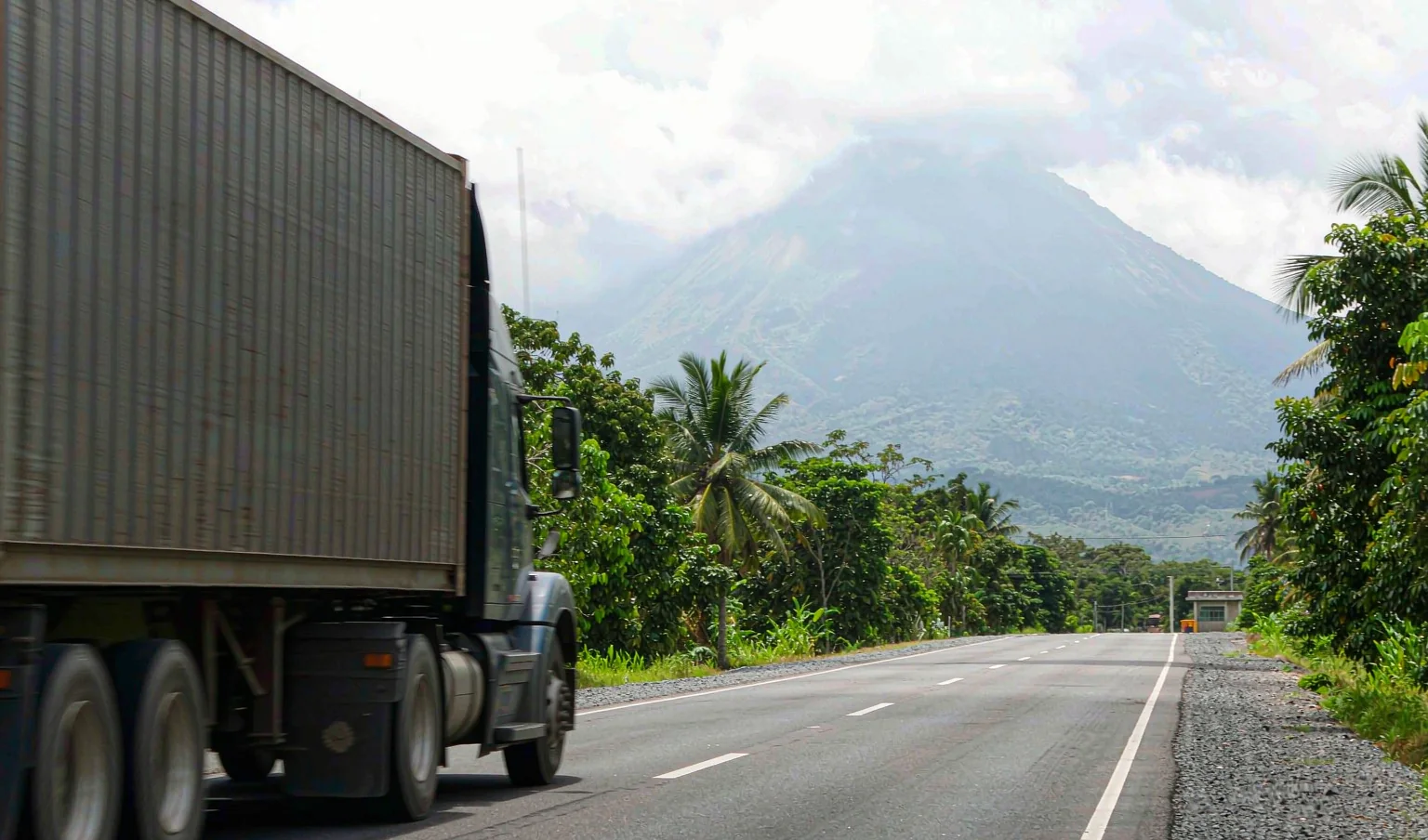
Acajutla sits about an hour and a half from San Salvador by highway, and delivery to the main cities is normally a same-day or next-day move once the container is released.
| Routing | Typical door-to-door transit | Best for |
|---|---|---|
| LCL sea freight to Acajutla | Roughly 4-6 weeks including clearance and delivery | Small and mid-size commercial cargo |
| FCL sea freight to Acajutla | Roughly 4-5 weeks including clearance and delivery | Volume shipments, stable replenishment |
| Air freight to San Salvador (SAL) | Roughly 1-2 weeks including clearance | Urgent, high-value or seasonal goods |
Transit varies with the connection and season – ask for a current schedule before fixing sales commitments.
How Door-to-Door DDP Works with CargoSolid
Under DDP terms we carry the shipment through Chinese export clearance, the main carriage, import clearance, duty and IVA, and final delivery. In practice:
- Step 1 – Quotation. Send cargo details (type, volume or weight, delivery city) and receive a fixed landed rate. Contact us for quotation.
- Step 2 – Pickup and consolidation. We collect from your supplier or consolidate at our warehouse, and prepare the document set as one consistent package.
- Step 3 – Export clearance in China. Handled under our licence.
- Step 4 – Main carriage. Sea or air, booked to match your timeline, with the transshipment connection watched rather than assumed.
- Step 5 – Clearance at Acajutla or SAL. DUCA declaration, risk-channel handling, duty and IVA – all inside the agreed price, including the 2026 forced-labour declaration.
- Step 6 – Delivery. The consignee receives the goods with no additional charges at the door.
Practical Tips for El Salvador Imports
- Lock the consignee identity first. The tax registration detail appears on every document; fix it before booking.
- Confirm the bill of lading type early. Restrictions on third-party order bills exist on this destination – a re-issue after sailing costs time and money.
- Put the forced-labour declaration in place as a standing template. Mandatory since June 2026, and minutes to prepare in advance.
- Check machinery IVA relief thirty days ahead. The F-16-22 filing window is longer than a typical production schedule.
- Consolidate where possible. One cleared LCL delivery to your door costs less than several fragmented parcels each hitting minimum charges.
How to Get a Quote
CargoSolid arranges door-to-door DDP shipping from China to El Salvador by sea and air, including Acajutla customs clearance and inland delivery across the country. For a fixed landed quotation, contact cargosolid@outlook.com or WhatsApp +86 186 7539 5280.
Frequently Asked Questions
How long does shipping from China to El Salvador take?
Sea freight to Acajutla typically completes door to door in four to six weeks including clearance and delivery, depending on the transshipment connection. Air freight to San Salvador completes in one to two weeks.
What duties and taxes apply in El Salvador?
China-origin goods pay the standard Central American tariff, mostly not exceeding fifteen percent by HS code, plus thirteen percent IVA on the customs value plus duty. Under DDP it is all inside the agreed landed price.
Do Chinese goods qualify for CAFTA-DR duty-free entry?
No. CAFTA-DR duty-free treatment applies to US-origin goods that meet its rules of origin. Chinese-origin cargo pays the standard tariff.
What is the new forced-labour declaration?
Since 1 June 2026, importers must declare in writing that goods were not produced with forced, compulsory or child labour, under Article 27-A of the March 2026 customs reform. Customs can request supply-chain documentation if it sees warning signs.
Is customs clearance slow at Acajutla?
Reported container-ship waiting time fell from about twelve days in 2025 to around twenty-four hours in 2026, and statutory clearance time is twenty-four hours. Document quality is now the main variable in your lead time.
Can you deliver outside San Salvador?
Yes. DDP delivery covers San Salvador, Santa Ana, San Miguel and other cities, with inland transport built into the fixed door-to-door rate.
Related Materials
- Shipping from China to El Salvador — Country Page
- Shipping from China to El Salvador 2026: Sea & Air Freight Guide
- DDP Shipping from China: When It Pays Off
- Sea Freight | Customs Clearance
- FAQ | Contact Us
Get in Touch
Tell us what you are shipping and where it is headed. Our team usually replies within one business day with a tailored quote.