







Kaliningrad looks like a footnote on the map: a Russian territory on the Baltic Sea, roughly the size of Connecticut, separated from the rest of Russia by Lithuania and Poland. For shippers, that geography is the whole story. A container bound for Kaliningrad follows different routes, different transit paperwork and a different risk profile than the same container moving to Moscow. This guide explains how commercial freight actually reaches the region in 2026, what has changed around the transit corridor this month, and what a DDP (Delivered Duty Paid) service from China covers door to door.
Why Kaliningrad Is a Separate Logistics Job
Kaliningrad has no land border with mainland Russia. Every overland movement crosses at least one European Union state — almost always Lithuania, which sits between the exclave and Belarus. That single fact changes everything about planning a shipment: routing, carrier selection, transit guarantees and documentation all work differently from a conventional China–Russia rail or trucking move.
It also means that “shipping to Russia” and “shipping to Kaliningrad” are not the same quotation. A forwarder who treats the region as a Moscow delivery plus an afterthought will run into transit-regime questions that a Kaliningrad-focused plan handles from day one. Our team plans the region as its own destination, drawing on the same land corridors described in our Russia shipping guide and land transport services.
How Cargo Reaches Kaliningrad in 2026
Three practical corridors exist today. Most commercial shipments use the first; the other two fill specific niches.
Rail Transit Through Lithuania: Open, but Strictly Regulated
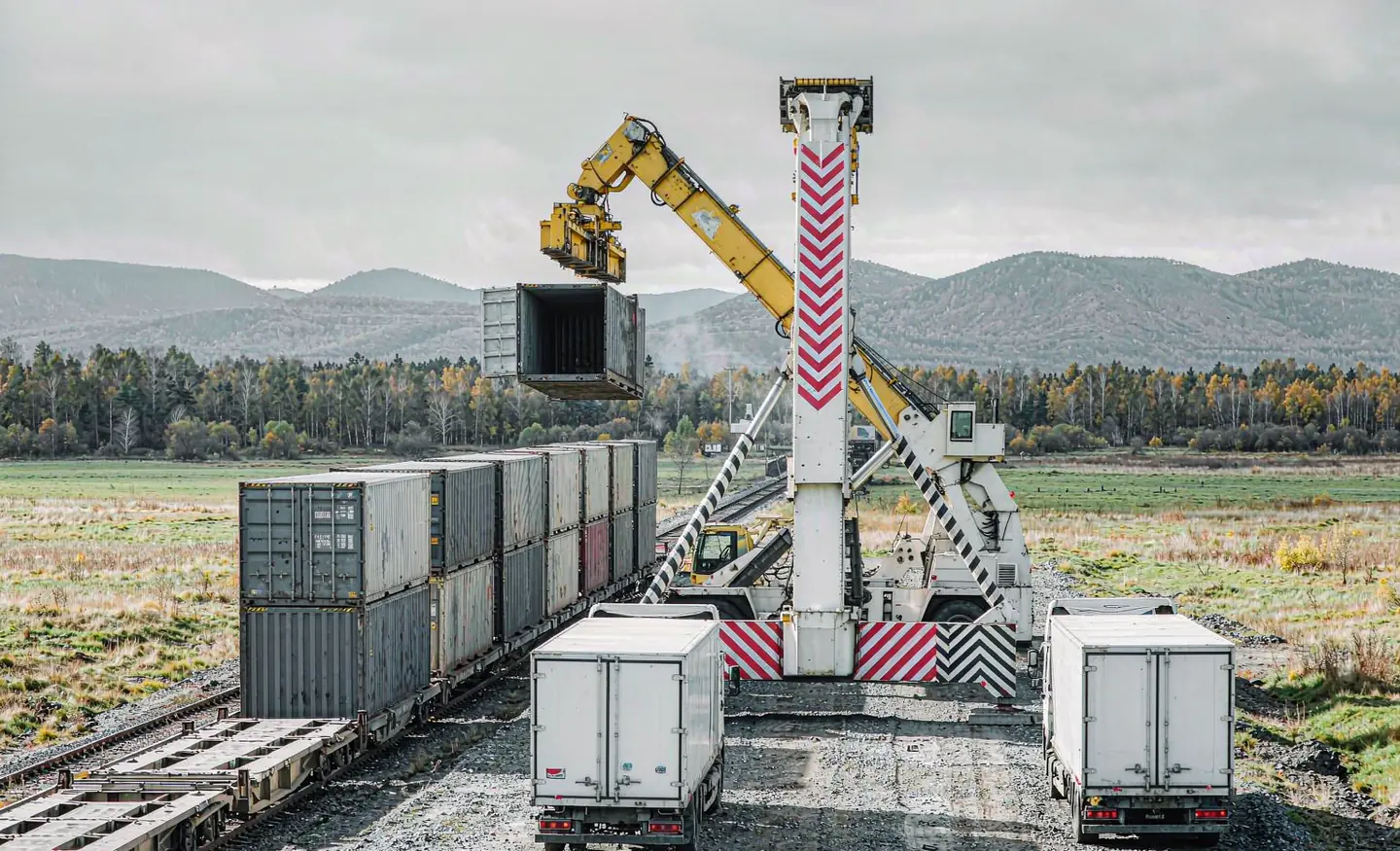
The primary artery remains rail transit from mainland Russia through Lithuania into the Kaliningrad region. Lithuania’s Transport Ministry stated in March 2026 that this rail transit has not been stopped or blocked. A special system applies to certain sanctioned goods, based on historical transit volumes, and transportation of military and dual-use items is prohibited outright. Ordinary commercial cargo — consumer goods, machinery parts, textiles, household appliances — continues to move, with heavier documentation than before.
The corridor has held even as sectoral bans spread around it. In early September 2026, Reuters reported that Latvia and Lithuania were weighing a full ban on Russian grain transiting their ports, after Black Sea disruptions pushed more Russian agricultural exports toward Baltic terminals. Crucially for freight planning, both governments explicitly carved out the Kaliningrad transit corridor: Lithuania’s prime minister said transit between mainland Russia and the exclave would continue regardless of any grain restrictions. Lithuania’s food safety service also began tighter origin checks on grain handled at Klaipeda, sending samples to a French laboratory on September 3, 2026.
The lesson for shippers is straightforward: the general-purpose corridor is stable, but origin verification and cargo-specific scrutiny keep increasing. Clean paperwork and accurate HS classification matter more on this route than on almost any other lane we serve.
Sea Routing: The Low-Politics Default
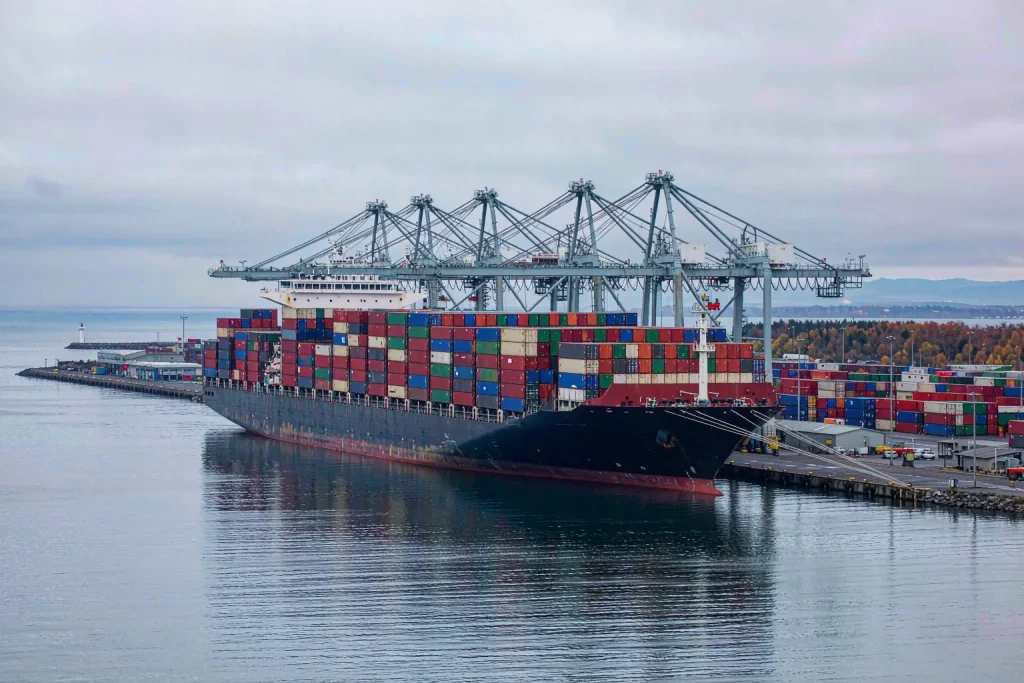
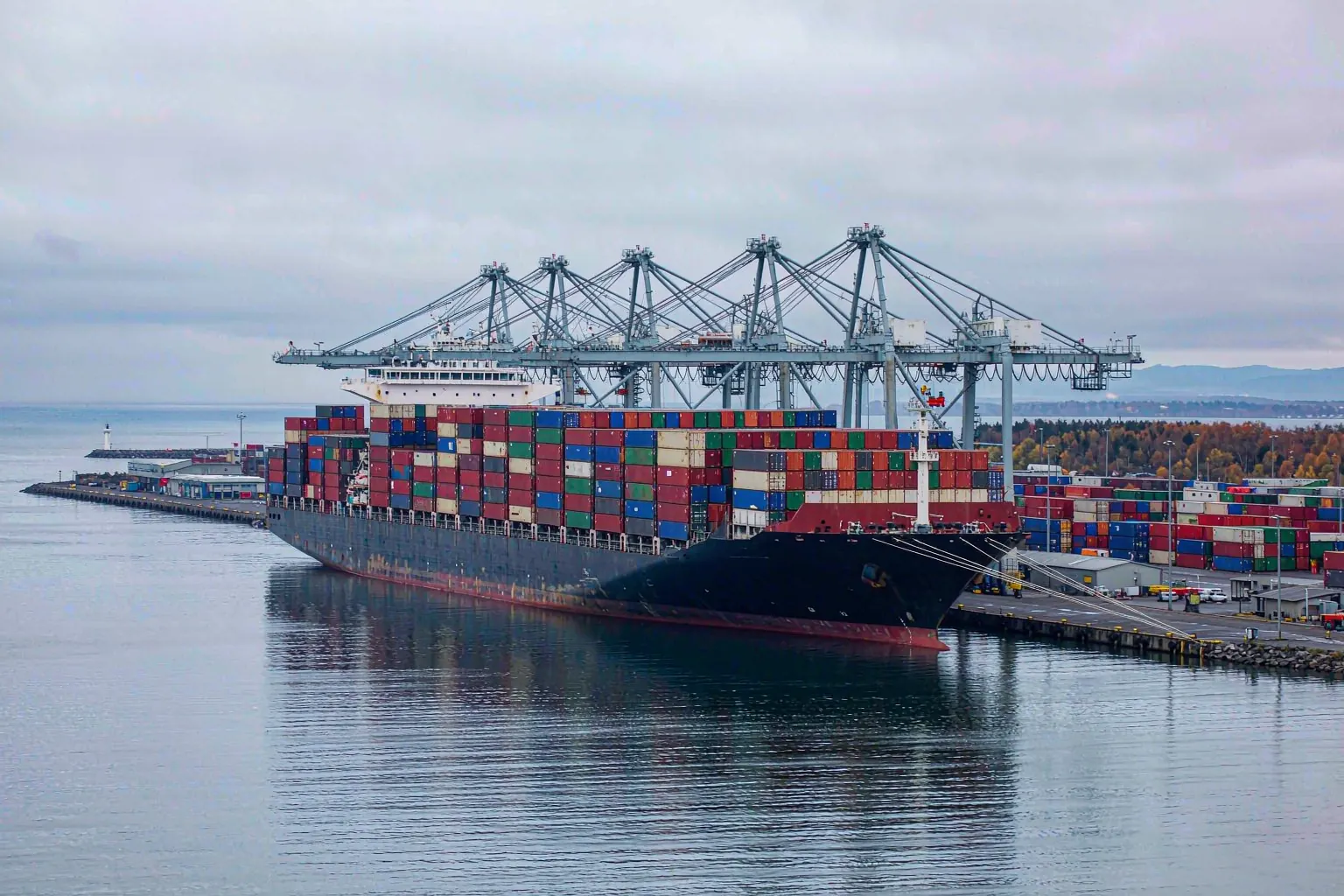
Cargo can also move all-water: ocean freight to a Baltic hub, then feeder vessel, barge or road into Kaliningrad’s commercial port. This routing avoids transit-country exposure entirely, which makes it attractive for cargo categories that face extra transit scrutiny or for shippers who want maximum schedule predictability during politically sensitive weeks. The trade-off is time — the all-water leg adds two to three weeks versus a rail-based move.
Air via Moscow
For urgent, high-value or small-lot cargo, air freight into a Moscow hub followed by a domestic flight and road delivery into the region typically completes in one to two weeks. It is the fastest option and the least affected by Baltic transit politics, at a correspondingly higher cost per kilogram.
Customs and Certification: EAEU Rules Apply
Kaliningrad is part of the Eurasian Economic Union customs territory. Import clearance follows the same EAEU Customs Code framework as mainland Russia: import duty assessed by HS code, value-added tax applied to the customs value, and conformity documents required for regulated product groups.
The working document set looks like this:
- Commercial invoice — accurate values; low-balling triggers valuation queries and delays.
- Packing list — piece counts and weights that match the transport document.
- Transport document — rail waybill (SMGS), bill of lading or CMR depending on the leg.
- Certificate of origin — confirms China as origin and supports correct duty treatment.
- EAC certification — conformity certificates or declarations for regulated goods (electronics, machinery, children’s items and similar categories).
Classification is where shipments are won or lost on this route. Transit scrutiny varies by HS code, and some categories sit under quota-style limits in the transit regime. We classify and pre-clear cargo before it leaves China, so the transit leg does not turn into a customs negotiation. Details on our customs clearance services.
What DDP Shipping to Kaliningrad Covers
Under DDP terms, the seller — with us as the operating forwarder — takes responsibility for the entire chain:
- Export customs formalities in China
- The international leg: rail, sea or air, with transit through Lithuania handled under the applicable regime
- Import clearance into the EAEU customs territory
- All duties, VAT and fees paid
- Final delivery to the consignee’s address in the Kaliningrad region
DDP suits exporters who have no local importer of record: e-commerce sellers, brand owners testing the market, and factories shipping equipment to buyers who prefer a landed-price contract. If you are comparing terms, our DDP shipping guide explains when duty-paid delivery actually pays off — and when DAP or FOB terms are the smarter contract.
Transit Times at a Glance
| Routing | Typical door-to-door | Best for |
|---|---|---|
| Rail via mainland Russia, transit through Lithuania | around 30–40 days | Regular commercial volume at balanced cost |
| All-water via Baltic ports and feeder into Kaliningrad | around 45–60 days | Cargo that should avoid land transit entirely |
| Air to Moscow, then domestic air and road | around 8–12 days | Urgent, high-value or small lots |
These are planning ranges, not guarantees — schedules shift with season, terminal congestion and transit-regime updates. Contact us for a current schedule and quotation for your specific cargo.
Practical Tips Before You Book
- Classify early. Agree the HS codes before booking; transit rules are code-specific.
- Stay in the commercial lane. Consumer and industrial goods move normally; dual-use categories do not — we screen every enquiry.
- Pack for multi-leg handling. Rail-and-feeder routings mean more touches than a single-port delivery; export-grade packaging pays for itself.
- Fix the Incoterm in writing. DDP, DAP and FOB shift risk and cost in very different ways on this lane.
- Insure the cargo. Multi-leg Baltic routings justify all-risk cover; we can arrange it with the booking.
Frequently Asked Questions
Can I ship commercial goods from China to Kaliningrad?
Yes. General commercial and consumer cargo moves regularly by rail, sea and air routings. Restricted categories — military and dual-use items — are excluded, and we screen all enquiries before quoting.
Is the Lithuanian rail transit corridor still open?
Yes. As of 2026, rail transit between mainland Russia and the Kaliningrad region has not been blocked, and Lithuania confirmed in September 2026 that the corridor will continue even as other transit restrictions are discussed. Expect tighter documentation and origin checks.
How long does DDP shipping to Kaliningrad take?
Rail-based DDP typically lands in about 30–40 days door to door, all-water routings run 45–60 days, and air via Moscow completes in 8–12 days. Exact timing depends on cargo type and season — ask us for a current schedule.
What documents does my shipment need?
At minimum: commercial invoice, packing list, the transport document for each leg, and a certificate of origin. Regulated goods additionally need EAC conformity certification or declaration, which we can arrange.
Do you handle customs clearance and final delivery?
Yes. Our DDP service covers export customs in China, import clearance into the EAEU customs area, duties and VAT, and delivery to the consignee’s address in the Kaliningrad region.
Related Materials
- Shipping from China to Russia — Country Page
- Shipping from China to Uzbekistan — Country Page
- Sea Freight | Land Transport | Customs Clearance
- FAQ | Contact Us
Get in Touch
Tell us what you are shipping and where it is headed. Our team usually replies within one business day with a tailored quote.