








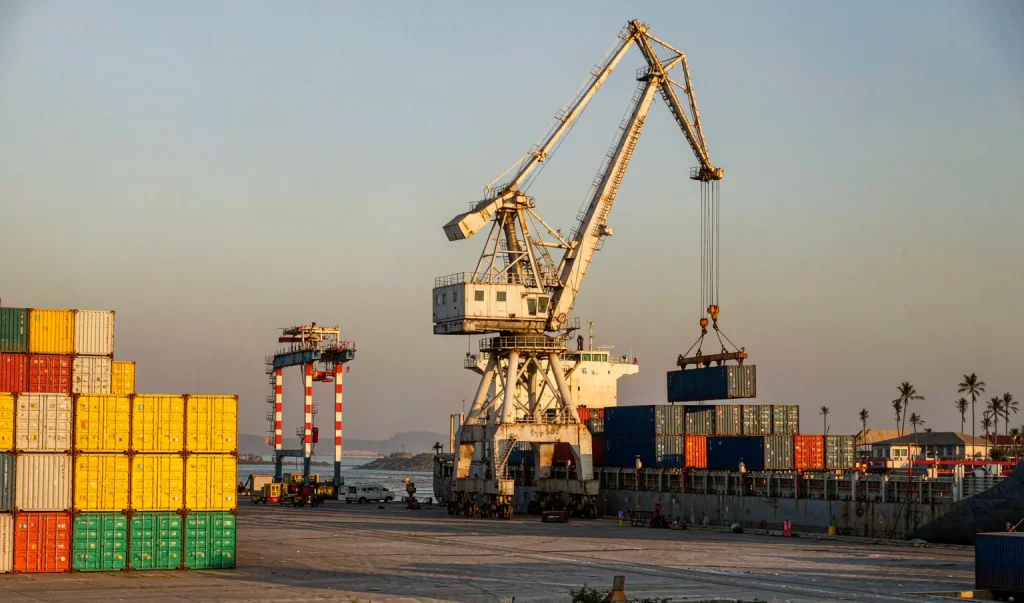
Madagascar is an island market with a single main gate. The large majority of the country’s seaborne trade – by most trade advisory estimates around 90% – clears through the Port of Toamasina on the east coast, and nearly every container from China joins the same queue at the same terminal before moving inland to Antananarivo. That concentration is exactly why customs discipline decides your lead time: the ocean leg is predictable, but the BSC filing, the declaration and the inland leg are where shipments quietly lose one to three weeks. This guide walks through Toamasina clearance step by step and explains how door-to-door DDP removes the friction.
Why Toamasina Decides Everything
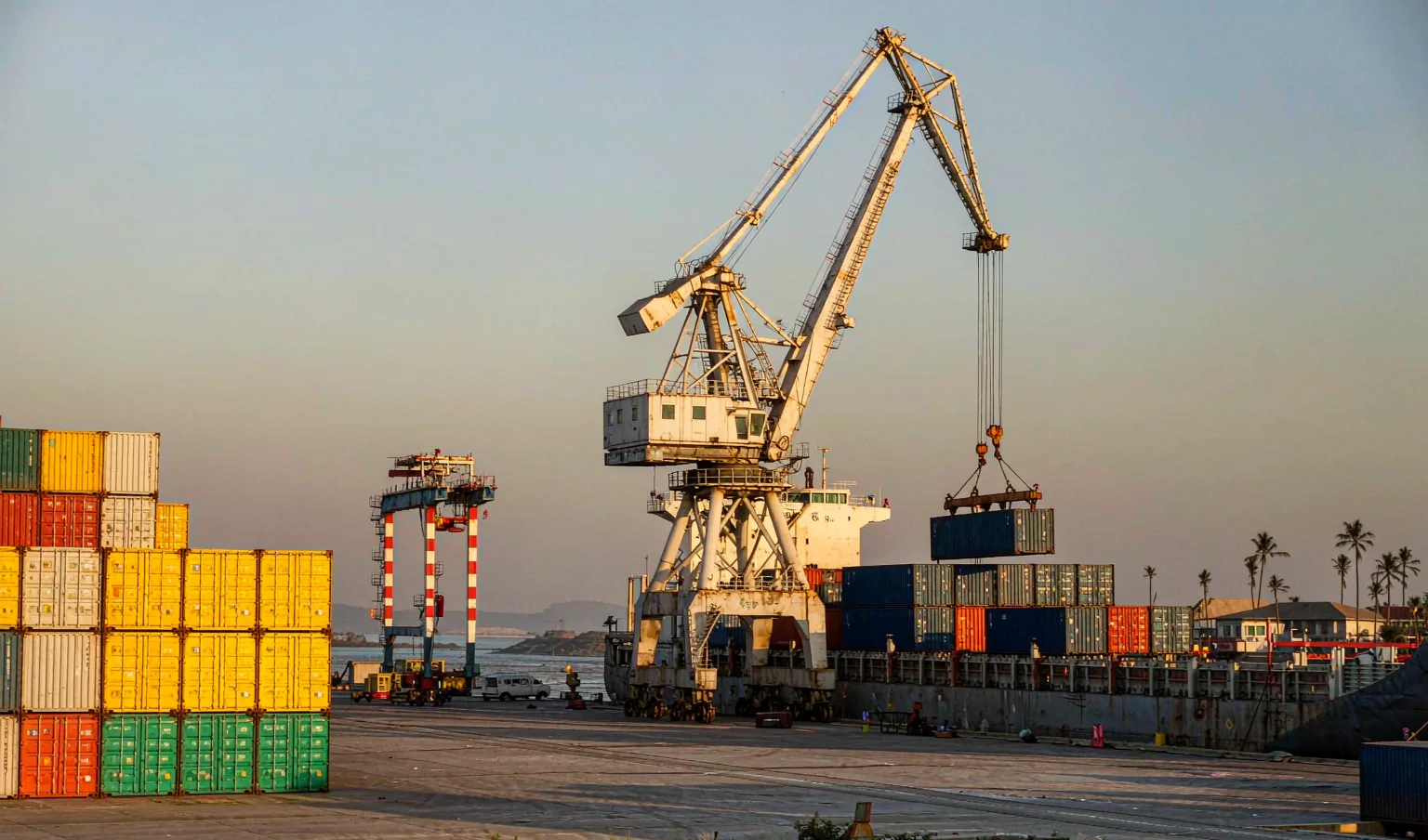
Madagascar lists more than a dozen seaports, but only a handful handle containerised cargo at scale. Toamasina (also called Tamatave) is the country’s deep-water gateway: its container terminal, operated under concession by MICTSL, receives the mainline Asia services, and cargo for the capital and the highlands moves from there by road on the RN2 corridor.
For a China shipment this creates a predictable funnel:
- One port of discharge. Asia-origin containers typically transship via Port Louis (Mauritius), Durban or Reunion before reaching Toamasina, so the transshipment connection quality matters as much as the mainline schedule.
- One clearance system. Every import declaration is filed in ASYCUDA World through the GasyNet single window on behalf of the Direction Generale des Douanes (DGD).
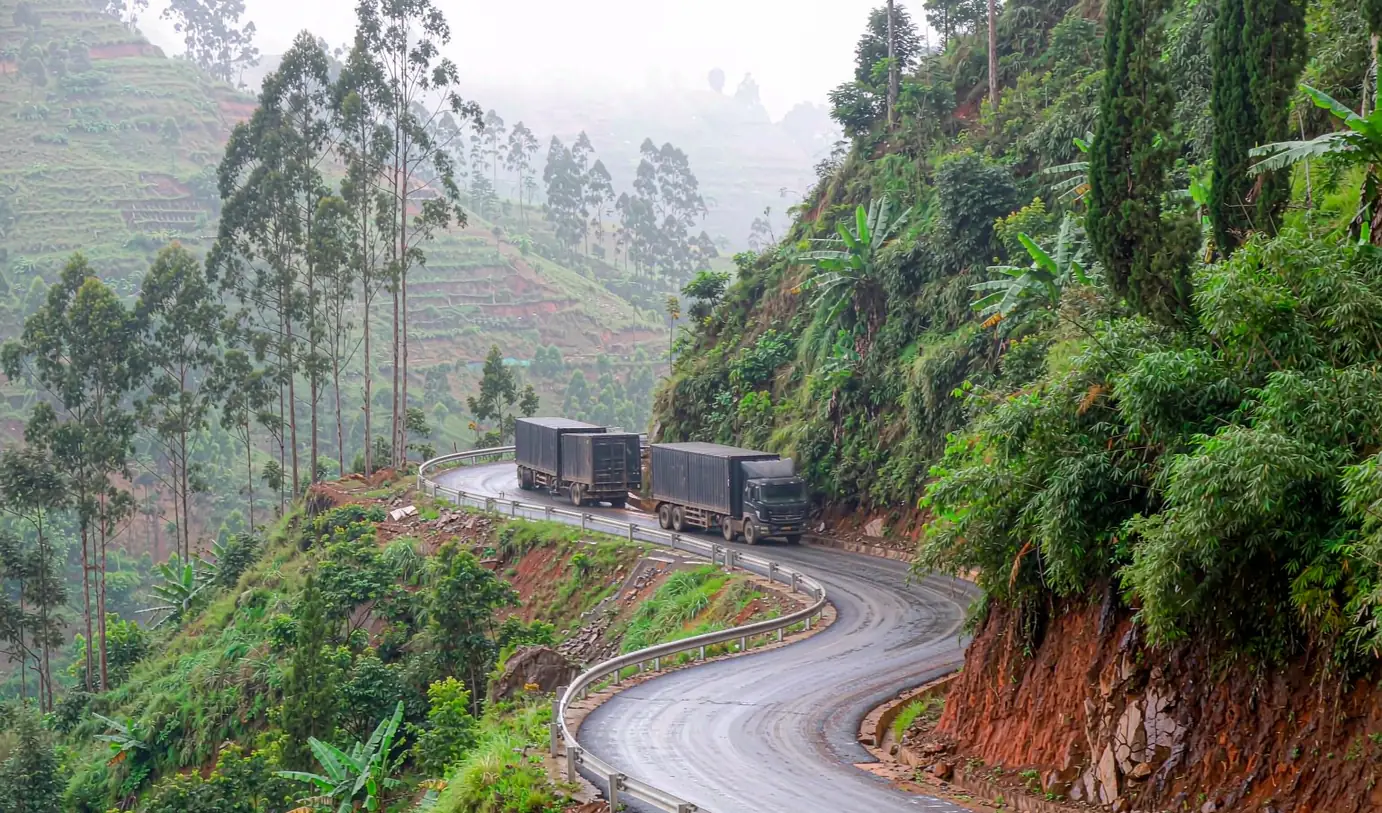
- One main inland corridor. The RN2 road carries most containerised cargo from the coast to Antananarivo and the interior, which concentrates trucking capacity in a single, weather-exposed corridor.
The BSC: The Document That Holds Cargo at the Port
The single most common cause of trouble on this lane is the BSC (Bordereau de Suivi des Cargaisons), also known as a Cargo Tracking Note or CTN. Madagascar requires it for every commercial shipment, and it must be validated through an authorised agent before the goods depart origin.
Trade advisory guides covering the lane are blunt about the consequence: cargo that arrives without a validated BSC is held at Toamasina, with daily storage charges accruing while the document is corrected. Because the BSC must match the bill of lading, the commercial invoice and the packing list, the practical advice is simple – start the filing as soon as the booking is confirmed, not after the vessel sails.
Customs Clearance at Toamasina, Step by Step
Once the vessel arrives, every DDP shipment we handle passes through the same sequence:
- Pre-arrival document review. Commercial invoice, packing list, bill of lading, BSC and certificate of origin are checked against each other. Most yellow-channel inspections trace back to a mismatch between these documents, so a forwarder who reviews them pre-shipment is buying back your transit time.
- Declaration in ASYCUDA World. The broker files the import declaration through the GasyNet single window with the importer’s details and HS classification.
- Risk channel assignment. The system routes the declaration into a green channel (release on documents), yellow channel (documentary review) or red channel (physical inspection). Classification and declared value drive which channel you get.
- Inspection when called. Red-channel cargo is physically examined; the inspection request, terminal booking and re-sealing all consume days if they are not managed proactively.
- Duty and VAT payment, then release. Charges are assessed on the declared CIF value, payment is confirmed through the importer’s bank domiciliation file, and customs releases the container.
- Inland delivery. The container is trucked from Toamasina to Antananarivo or the interior – typically one to three days on the RN2 depending on destination and road conditions.
Duties, VAT and What Chinese-Origin Goods Actually Pay
Madagascar’s import tariff is straightforward but expensive at the top end. Standard ad valorem duties run from zero to 20% depending on the HS code, with trade analysis of the lane indicating that roughly 40% of tariff lines sit at the maximum 20% rate. Import VAT adds 20%, and it is calculated on the duty-inclusive value (CIF plus customs duty) – so on a 20% duty line the combined fiscal charge reaches roughly 44% of the CIF value.
Two points catch China shippers out:
- No preference for Chinese origin. Madagascar’s preferential regimes (APEi with the EU, SADC, COMESA, AfCFTA) do not reduce duties on China-origin goods. The standard national tariff applies in full.
- The tariff preference runs the other way. China’s zero-tariff treatment for least-developed countries, effective from May 2026, benefits Malagasy exports to China – it does nothing for your imports from China.
Some categories also need extra paperwork: import permits for pharmaceuticals, environmental clearance for certain chemicals, French-language labelling and health certificates for food products, and telecoms equipment approval from ARTEC. Undervaluation is treated seriously – customs cross-checks declared values against market data, and penalties can extend to seizure and a lasting compliance flag on the importer profile.
Transit Options from China
Sea freight to Toamasina
Container transit from Chinese ports to Toamasina typically runs in the range of three to five weeks depending on the transshipment port and connection quality, with LCL consolidation available for smaller lots. Door-to-door transit adds clearance and the inland leg.
Air freight to Antananarivo
Antananarivo (TNR) receives air cargo from China via hub connections, usually in one to two weeks door to door including clearance. Air suits samples, urgent spare parts, electronics and seasonal goods.
The inland leg
Clearance is only half the journey. From Toamasina, the RN2 carries cargo up to the highlands; plan one to three days of inland transit, and remember that this road is the first thing a cyclone takes out.
| Routing | Typical door-to-door transit | Best for |
|---|---|---|
| LCL sea freight via transshipment | Roughly 4-6 weeks including clearance and delivery | Small and mid-size commercial cargo |
| FCL sea freight to Toamasina | Roughly 3-5 weeks including clearance and delivery | Volume shipments, stable replenishment |
| Air freight to Antananarivo (TNR) | Roughly 1-2 weeks including clearance | Urgent, high-value or seasonal goods |
Transit varies with the transshipment connection and season – ask for a current schedule before fixing sales commitments.
Plan Around the Cyclone Season
Madagascar’s cyclone season runs roughly from November to April. Severe weather delays berthing at Toamasina and, more importantly, can cut the RN2 and compress inland trucking capacity well into the following quarter. If your cargo is time-sensitive, the practical moves are to ship before November if possible, carry an extra buffer in any promise made to your customers, and confirm inland transport capacity at booking time rather than after arrival.
How Door-to-Door DDP Works with CargoSolid
Under DDP terms, our side carries the shipment through Chinese export clearance, the main carriage, Madagascar import clearance, duty and VAT, and final delivery to the consignee’s door. In practice:
- Step 1 – Quotation. Send cargo details (type, volume or weight, delivery city) and receive a fixed landed rate. Contact us for quotation.
- Step 2 – BSC filing and pickup. We validate the BSC before departure and collect cargo from your supplier or consolidate at our warehouse.
- Step 3 – Export clearance in China. Handled under our licence.
- Step 4 – Main carriage. Sea or air, booked to match your timeline and the cyclone calendar.
- Step 5 – Clearance at Toamasina or TNR. Declaration, risk-channel handling, duty and VAT – all inside the agreed price.
- Step 6 – Delivery. The consignee receives the goods in Antananarivo or elsewhere on the island, with no additional charges at the door.
Practical Tips for Madagascar Imports
- File the BSC early and keep it consistent. Every downstream document must match it.
- Declare realistic values. Undervaluation triggers fines, inspection and a permanent compliance flag – it never saves money in the end.
- Get the HS code right before departure. Classification drives both the duty rate and the risk channel.
- Consolidate where possible. One cleared LCL delivery to your door costs less than several fragmented parcels each hitting minimum charges.
- Check restricted categories in advance. Telecoms, food, chemicals and pharma all carry permit requirements that take longer to arrange than the shipping itself.
How to Get a Quote
CargoSolid arranges door-to-door DDP shipping from China to Madagascar by sea and air, including BSC filing, Toamasina customs clearance and inland delivery. For a fixed landed quotation, contact cargosolid@outlook.com or WhatsApp +86 186 7539 5280 with your cargo details.
Related Materials
- Shipping from China to Madagascar — Country Page
- Shipping from China to Madagascar 2026: Sea & Air Freight Guide
- DDP Shipping from China: When It Pays Off
- Sea Freight | Customs Clearance
- FAQ | Contact Us
Get in Touch
Tell us what you are shipping and where it is headed. Our team usually replies within one business day with a tailored quote.