








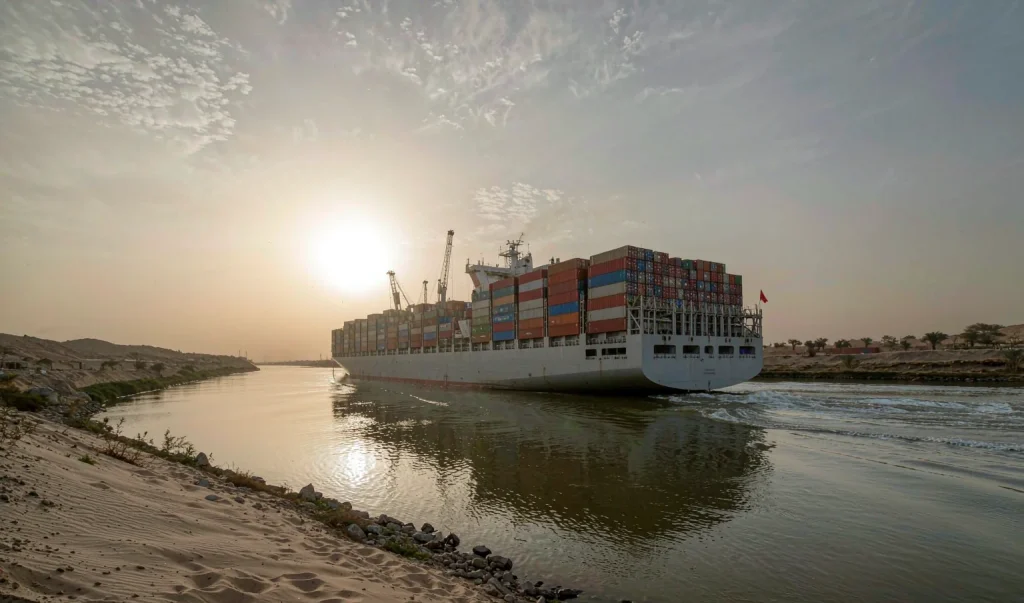
Two opposite forces hit ocean freight in the same fortnight. Major carriers are steadily returning vessels to the Suez Canal after nearly three years of Cape of Good Hope diversions – which adds effective capacity and is already pulling Asia-Europe spot rates down. At the same time, China’s Golden Week (1-7 October) has triggered a fresh wave of blank sailings, and global port congestion sits at record levels. For importers, Q4 2026 will reward anyone who re-checks bookings, buffers transit times and knows when to switch mode. Here is what actually changed, and what to do about it.
What Happened: The Suez Return Accelerates
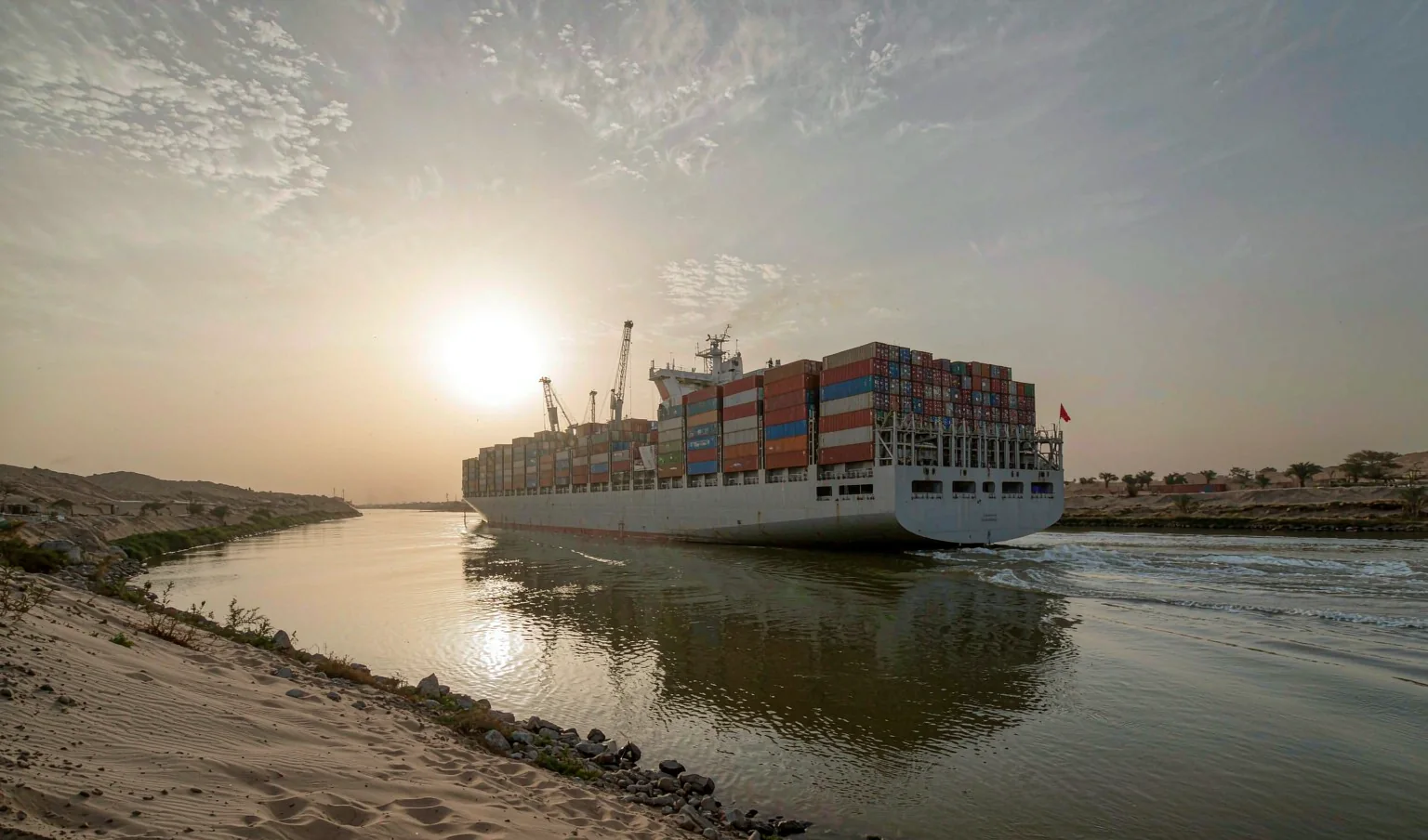
On 14 September 2026, Gemini Cooperation partners Maersk and Hapag-Lloyd announced that four more joint services – AE5 (Asia-North Europe), AE11 and AE12 (Asia-Mediterranean) and ME2 (India-Europe) – would shift from the Cape route back to Suez transits in both directions, joining the AE15 and AE19 services that had already returned. As trade press including Seatrade Maritime and Global Trade reported, the first westbound sailings began within days: the Antonia Maersk on AE11 from Tanjung Pelepas on 19 September, the Marchen Maersk on AE5 on 21 September and the Cornelia Maersk on ME2 on 24 September.
They are not alone. Industry reporting in mid-September indicated that COSCO and OOCL planned to join CMA CGM in resuming Red Sea transits on jointly operated Europe-Med-Asia loops from around 15 September. Sea-Intelligence estimated that more than a quarter of Asia-Europe capacity would transit the Red Sea during September – including roughly 35% of Asia-Mediterranean headhaul capacity, though only about 6% on Asia-North Europe headhaul. The Suez Canal Authority’s own figures for January-August 2026 show container ship net tonnage up more than 50% year on year.
The commercial logic is straightforward: Suez shortens Asia-Europe voyages substantially, releasing effective capacity without a single new ship being delivered. Analysts note that a full return could eventually release the equivalent of several percent of global containership capacity currently absorbed by Cape routings.
The Rate Effect: Asia-Europe Corrects, Transpacific Holds
The capacity return is already visible in pricing. The Freightos Baltic Index showed Asia-Mediterranean spot rates falling by double digits week on week in mid-September – the sharpest correction among major lanes – with Asia-North Europe slipping more modestly. Daily rate trackers subsequently eased further. Both lanes nonetheless remain well above their pre-peak-season levels, and carriers have kept capacity discipline in reserve.
Transpacific is a different story. Spot rates there held near peak levels through September on resilient demand and congestion at Far East load ports, while the National Retail Federation’s forecast points to US ocean import volumes flattening in September and declining into October. In short: the correction so far is an Asia-Europe and Mediterranean event, not a global one.
Golden Week: The Blank-Sailing Wave
China’s National Day Golden Week runs 1-7 October 2026, and the 2026 calendar made the run-up unusually tight: the Mid-Autumn holiday fell on 25-27 September, leaving only three normal weekdays before the break. Carriers responded exactly as they always do – by removing capacity around the holiday:
- Drewry’s 24 September update counted 15 transpacific blank sailings announced for the following week, up from nine in the current week.
- Drewry’s cancelled-sailings tracker recorded 77 blank sailings across weeks 39-43 out of roughly 720 planned east-west sailings – an 11% cancellation rate, reflecting both Golden Week and wider network disruption.
- MSC confirmed six cancelled voyages across Asia-Europe and Asia-US West Coast services, telling customers to keep booking while it arranges alternative services.
- Maersk blanked sailings on Far East-Europe services (AE15, AE12, AE1) and committed to inducement calls on alternative sailings to maintain port coverage; Hapag-Lloyd adjusted several North America services.
The practical consequence is rollover risk. A booking made on a blanked voyage gets rebooked onto another sailing – and that new ETA is rarely the one you quoted your customer.
The Catch: Congestion and Risk Are Both Rising
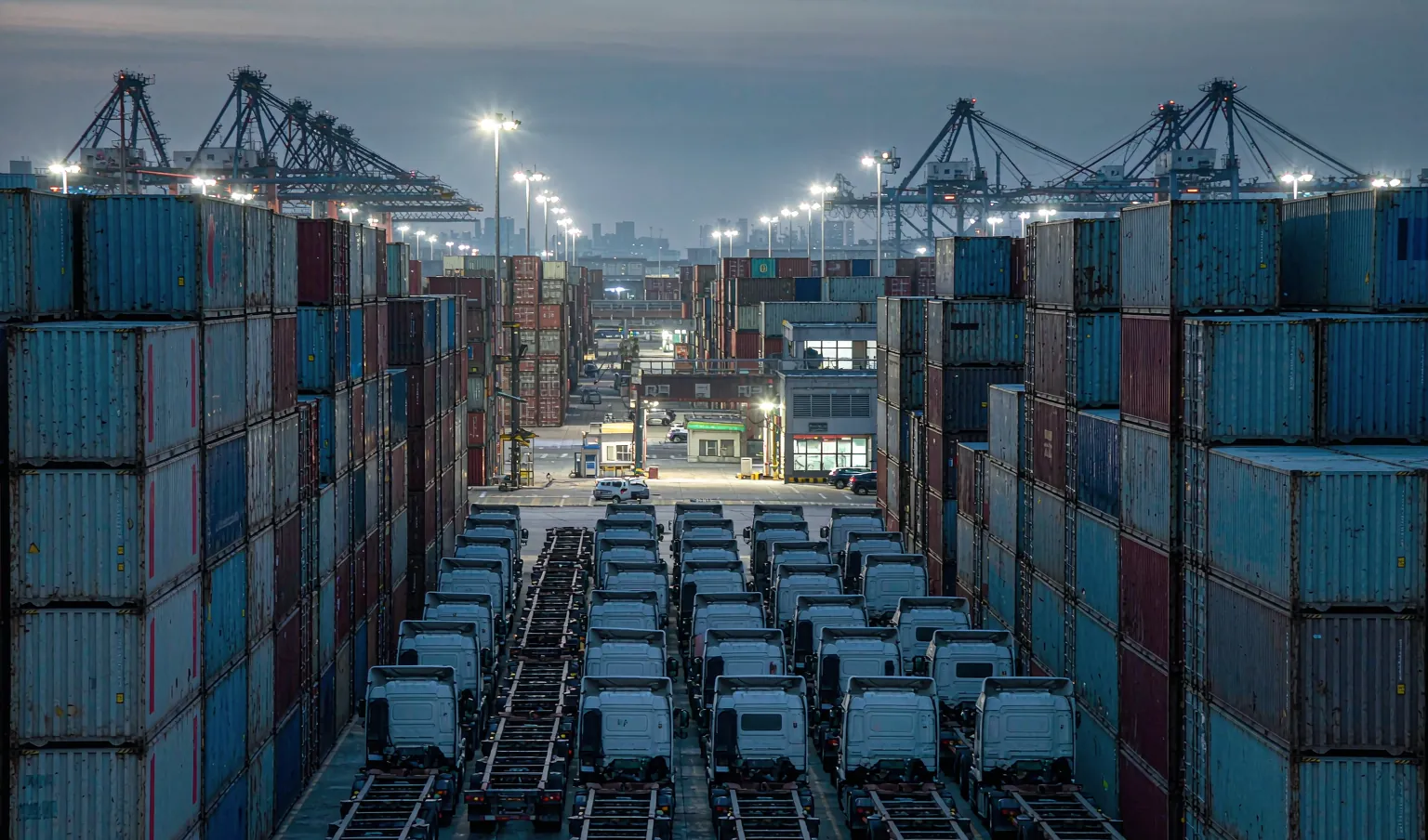
Do not mistake “rates correcting” for “problems solved”. Linerlytica counted port congestion above 4.3 million TEU in mid-September – above even the pandemic-era peak – as delays migrated downstream from Chinese and European ports into Southeast Asia and the Indian subcontinent: berth waits of roughly a day at Mundra, near two days at Nhava Sheva and two to three days at Colombo, the main transshipment hub for Indian Ocean feeder traffic.
African gateways are the weak link that matters for our readers shipping to East Africa and the Indian Ocean. Durban’s anchorage wait ran at around nine days in the period to 10 September with throughput roughly 30% below its recent average, forcing carriers to divert calls and pushing pressure onto Cape Town; West African ports report waits ranging from days to weeks depending on the port.
And the security picture around the Red Sea itself has not normalised. Houthi forces advanced along Yemen’s Red Sea coast during September, seizing territory and islands around the Bab el-Mandeb Strait – including Mayyun Island, which sits inside the strait. Carriers say container vessels have not been directly targeted for more than a year and that transits follow detailed security assessments, but the Global Shippers Forum has publicly questioned whether the return is a “reckless gamble”, and every carrier announcement carries the same conditional language: services will revert to the Cape if the situation changes. Meanwhile the Strait of Hormuz remains effectively closed to regular container services, keeping Gulf-bound cargo routed via alternative gateways at a large premium.
What Importers Should Change for Q4
- Book earlier and confirm the actual sailing. With an 11% cancellation rate in the window, ask which vessel and voyage your cargo is on, and what the alternative is if it blanks.
- Buffer transit promises. Congestion plus rollover risk means quoted port-to-port times are optimistic; add a week before committing to customers.
- Watch the Red Sea headlines weekly. A renewed attack on a container ship would push services back around the Cape within days, reversing the rate correction and stretching transit times immediately.
- Re-check war-risk and insurance clauses. Routing through Bab el-Mandeb or via Gulf alternative gateways changes the risk profile of the same trade lane.
- Lock peak-season space before mid-October. Blank sailings around the holiday plus post-holiday cargo bunching typically tighten space again in the second half of October.
When to Switch Mode: Rail, TIR Trucking and Air
Sea is not the only tool, and Q4 is exactly when the alternatives earn their keep:
| Situation | Better option | Why |
|---|---|---|
| Cargo for Russia, Kazakhstan, Uzbekistan or Central Asia | China-Europe / China-Central Asia rail | Avoids ocean congestion entirely; scheduled block-train capacity; 2-3 week class transit |
| Iran, Afghanistan and sanction-sensitive lanes | TIR trucking door to door | Hormuz remains restricted for containers; overland routings avoid the maritime premium |
| Urgent replenishment that missed the boat | Air freight | Air rates remain elevated but available; far cheaper than a missed sales window |
| East Africa and Indian Ocean destinations (e.g. Madagascar) | Sea DDP with planned transshipment | Ocean is the only mass option – plan around Durban/Port Louis transshipment quality |
Our view for Q4: keep sea as the default for volume, but pre-plan the fallback. The shippers who suffered least in the last three years were the ones who had a rail or trucking option already priced and documented before they needed it.
How CargoSolid Can Help
CargoSolid runs DDP sea and air programs to the Mediterranean, Africa and Latin America, scheduled rail to Russia and Central Asia, and TIR trucking across Eurasia – so when one mode wobbles, we quote the routing that actually fits your cargo and deadline. For a Q4 routing review of your China-origin shipments, contact cargosolid@outlook.com or WhatsApp +86 186 7539 5280.
Related Materials
- Container Freight Rates Keep Climbing: A Guide for China Shippers
- Shipping from China to Madagascar: Toamasina Clearance and DDP
- First China-Iran Block Train via Central Asia
- Shipping from China — Destination Hub
- Land Transport | Sea Freight
- FAQ | Contact Us
Get in Touch
Tell us what you are shipping and where it is headed. Our team usually replies within one business day with a tailored quote.