








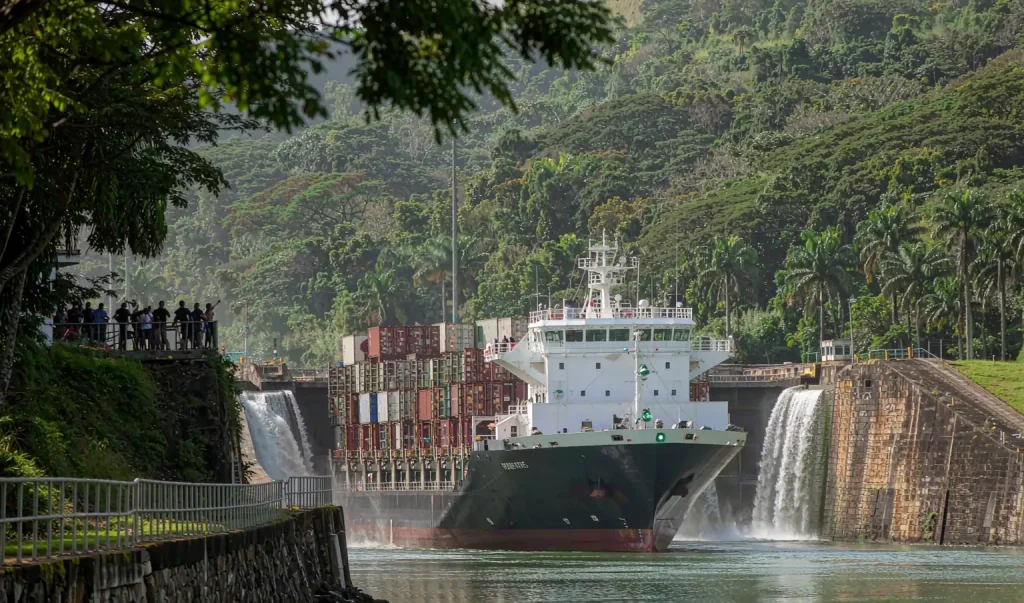
The Panama Canal’s water problem is back – and this time it is El Nino, not a one-off drought. A powerful El Nino has kept rainfall well below normal across Panama’s watershed, and after a brief easing the Canal Authority is again managing every ship movement around how much freshwater Gatun Lake can spare. For anyone shipping from China to Central America, the Caribbean or the Pacific coast of South America, that means tighter transit slots, draft limits on the biggest vessels, reservation systems that decide who sails on time, and a growing stack of surcharges. Here is what changed in September and October 2026, and how to plan around it.
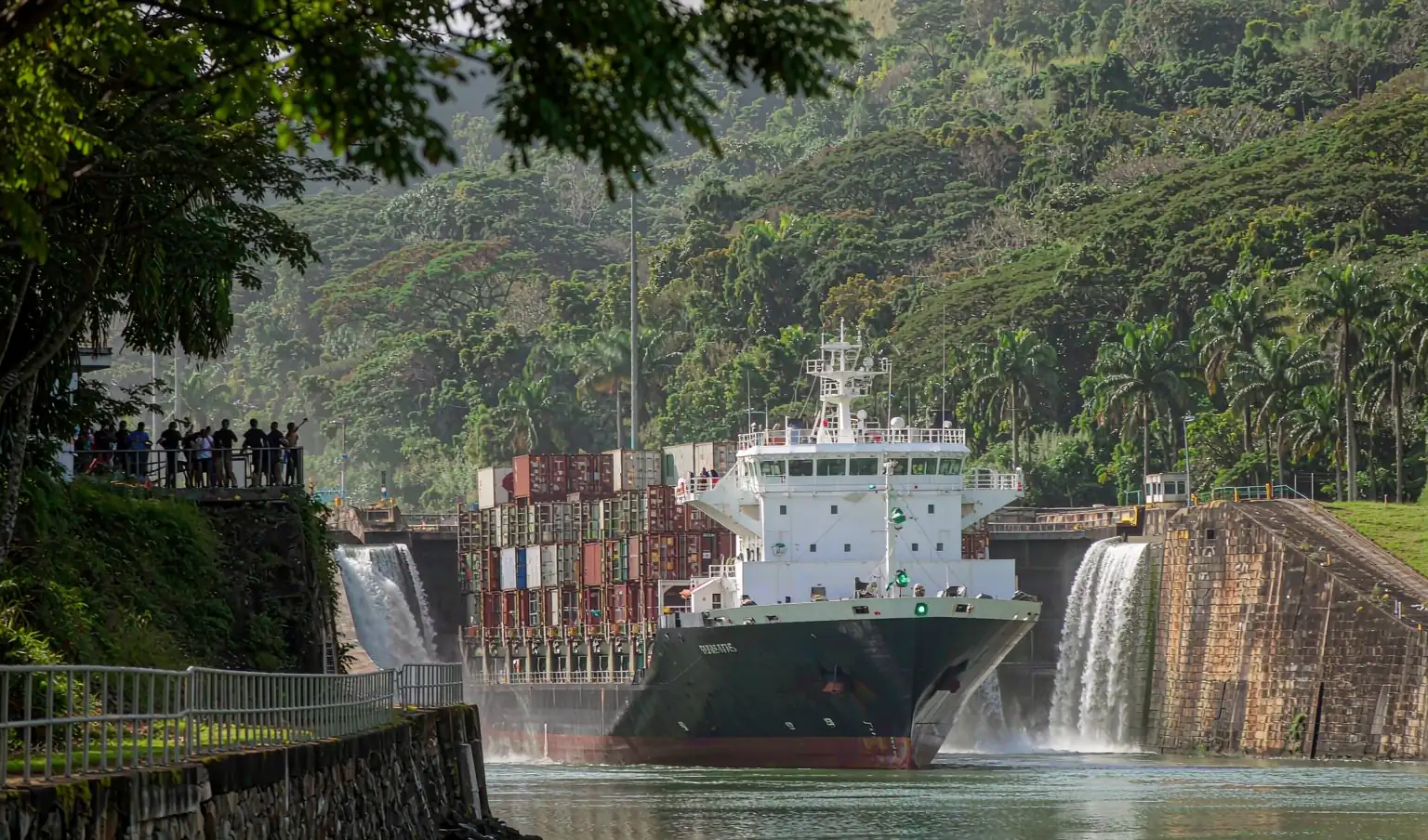
What the Canal Authority Changed in September and October
The 2026 rainy season has underdelivered. Panama’s canal authority reported that precipitation during the year’s rainy season has run about 34 percent below the long-term average, and the country’s hydrology institute warned in October that deficits accumulated before September could not be made up in October and November – meaning the canal enters the coming dry season with its water reserves short. The El Nino pattern behind the drought is expected to persist into May 2027.
The operational response has moved in two directions at once. Through September the authority cut capacity: daily transits in the older Panamax locks dropped from 25 to 23 on 15 September, and one Neopanamax slot was removed at the start of the month. Water-saving measures first deployed in December 2025 – optimised use of the Neopanamax water-saving basins, tandem lockages for smaller vessels, interlock gates, and reduced hydropower generation at the lake dam – stretched every cubic metre further.
Then, as rains came close to average in early October, the authority gave a little back. From 15 October the Neopanamax locks returned to 10 daily transits, bringing total capacity across both lock complexes to 33 movements a day – still well below the roughly 36 to 40 vessels a day the canal handled in normal years. The maximum authorised draft for Neopanamax transits was raised from 14.78 metres to 14.94 metres (49 feet), which matters most for loaded containerships and LNG carriers. The authority was explicit, though, that a water deficit continues across the watershed: the transit reservation system remains the only way to guarantee a transit date, and vessels without a booking may face indefinite delays.
The Numbers Behind the Headlines
Three data points show how the constraint has played out in practice this year:
- Waiting times spiked. MarineTraffic data cited in industry reporting showed 69 container vessels waited more than 100 hours to transit the canal between January and late September 2026, against just 13 in the same period of 2025.
- Auction premiums returned. With slots scarce earlier in the year, carriers resorted to the canal’s auction and reservation mechanisms, with several reports of record-high prices paid for transit slots and some ships diverting to other routings entirely.
- The canal is budgeting for constraint. The authority’s fiscal 2027 proposal, reported on 15 October, projects US$5.56 billion in revenue, lifts the per-net-ton charge from US$1.00 to US$1.75 on affected categories, keeps other tolls unchanged, and funds US$82 million of the Rio Indio water-management project – a sign management expects water to remain the binding constraint for years.
For context on the freight market around it: Breakbulk’s October reporting noted the multipurpose and heavy-lift charter market pushing past psychological index highs, with Panama Canal slot competition and draft restrictions among the cost drivers operators cite. When canals tighten, every constraint lands somewhere in the invoice.
Why Latin America Cargo Feels It First
Container services from China to the Americas face a routing decision long before the canal: most weekly services to the US West Coast and Mexico do not transit Panama at all, while services into the Caribbean and both coasts of Central and South America frequently do. When slots tighten, the canal’s allocation goes first to fixed-schedule container alliances with long-term allocations, and the squeeze shows up in three places shippers actually feel:
- Schedule reliability on transshipment services. Cargo for Acajutla, Puerto Quetzal or Central American ports often reaches the region via hub transshipment – and hub connections inherit every upstream delay, including canal queues. The same uncertainty has carriers reallocating cargo at origin, as the Port of Los Angeles’ executive director described in October, as shippers hedge between Panama and Suez routings.
- Surcharges that outlive the drought. Carriers are passing landside and network costs through. Maersk, for example, raised its intermodal fuel surcharge for trucking into El Salvador from 7 to 11 percent and Guatemala from 14 to 20 percent, effective from late September for non-US trades and from 29 October 2026 for US-regulated shipments, citing fuel availability and landside operating costs. Fee changes like these arrive with or without a canal delay, and they compound.
- Loose cargo and project cargo exposure. Breakbulk vessels trade voyage by voyage without long-term slot allocations, so draft limits hit their cargo intake directly – a crane or transformer that fitted in June may not fit on the same vessel in November. Breakbulk’s October reporting flagged exactly this risk for project and heavy-lift operators.
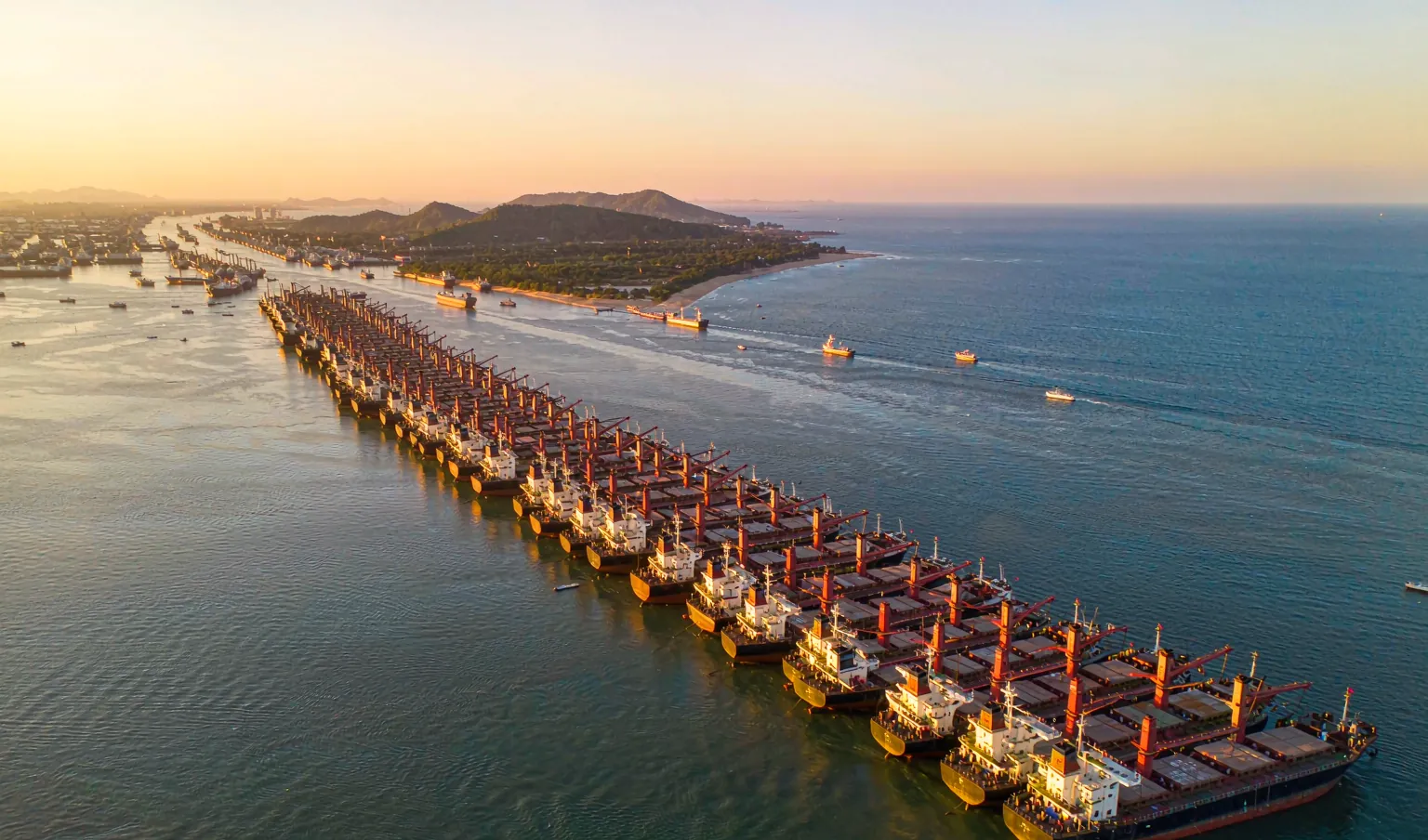
What Shippers on Latin America Lanes Should Do Now
- Book earlier and lock the reservation. The booking system is the only guarantee of a transit date; late bookings inherit whatever capacity is left after allocation.
- Add buffer to door-to-door commitments. If your sales contract assumes a transshipment hub connection, a canal queue can add days to weeks. Price the buffer in rather than apologising later.
- Watch weight and draft for big boxes. If your containers are heavy, ask whether the service’s vessels face draft-related load limits on the current rotation – the 49-foot limit helps, but it sits on top of a constrained water budget.
- Expect the fee stack to move. Canal charges, fuel surcharges and war-risk style premiums are all in motion this quarter. Ask for the all-in landed cost, not the base ocean rate. Our Q4 surcharge playbook breaks the categories down.
- Fix Incoterms and duty responsibility early. Under DDP the destination-side duties, clearance and final delivery sit with us, so the landed price is fixed at booking even when the middle of the journey wobbles. See our guide on El Salvador clearance and door-to-door DDP for how that works on a Central America lane.
- Keep an alternative routing priced. Depending on cargo and season, services via Mexican ports with overland delivery, or direct East Coast services that skip the canal, can be worth the comparison.
Outlook Through the 2026-27 Dry Season
The authority’s own projections expect Gatun Lake to gain roughly a foot through November, and October’s slot and draft increases show the system responding to every millimetre. But with El Nino expected to hold through May 2027 and the watershed entering the dry season in deficit, planning assumption should be: capacity constrained but functioning, reservations essential, and conditions reviewed monthly. The canal has survived worse – the 2023-24 crisis cut transits below 25 a day – and this episode is milder. Milder still means margin: the slack that used to absorb surprises is gone.
How CargoSolid Helps
CargoSolid arranges ocean freight from all major Chinese ports to Central America, the Caribbean and South America, including transshipment planning through congested hubs, customs clearance and door delivery, with DDP options that fix duty, clearance and inland legs under one price. If canal conditions are disrupting your schedules, send us the cargo details and deadline and we will compare routings side by side. Contact cargosolid@outlook.com or WhatsApp +86 186 7539 5280.
Frequently Asked Questions
Is the Panama Canal closed or restricted in October 2026?
It is open but restricted. Daily transits rose to 33 on 15 October 2026 with the Neopanamax locks back at 10 slots, and maximum draft was raised to 14.94 metres. However, the watershed remains in water deficit, so the reservation system is the only way to guarantee a transit date and unbooked vessels may face delays.
How does El Nino affect Panama Canal shipping?
El Nino reduces rainfall over the watershed that feeds Gatun Lake, which the locks need to operate. Rainfall in 2026 ran about 34 percent below average, forcing the authority to limit slots and draft to conserve water, and the pattern is expected to persist into May 2027.
Does this affect cargo from China to El Salvador and Central America?
Yes, indirectly. Many services to Central America and the Caribbean connect through hubs or routings that use the canal, so canal queues and slot competition translate into transshipment delays, tighter schedules and surcharges on the lane.
Why are my Latin America freight costs rising if the canal is open?
Costs rise through the margin, not closure: auction and reservation premiums, carriers’ fuel and intermodal surcharges, and repositioning costs. As one example, Maersk raised its El Salvador import fuel surcharge from 7 to 11 percent effective late October 2026, citing fuel and landside costs.
How far in advance should I book shipments through the canal?
Book as early as your supply chain allows – several weeks ahead for regular container cargo, and earlier for breakbulk or project cargo, which has no long-term slot allocation and is most exposed to draft and slot limits.
Can DDP terms protect me from these delays and extra charges?
DDP fixes duty, clearance and delivery responsibility with the forwarder, so destination costs are agreed at booking and the consignee faces no surprise charges at the door. Schedule risk from canal congestion still exists, so build buffer into delivery commitments.
Related Materials
- Shipping from China to El Salvador: Acajutla Clearance and Door-to-Door DDP
- Shipping from China to El Salvador 2026: Sea & Air Freight Guide
- Suez Returns, Golden Week Blanks: A Q4 2026 Shipping Outlook
- War-Risk Cover and Surcharges: A Q4 2026 Risk Playbook
- DDP Shipping from China: When It Pays Off
- DDP Shipping Services | FAQ | Contact Us
Get in Touch
Tell us what you are shipping and where it is headed. Our team usually replies within one business day with a tailored quote.